Car Key Replacement by Vehicle Brand: What Actually Differs
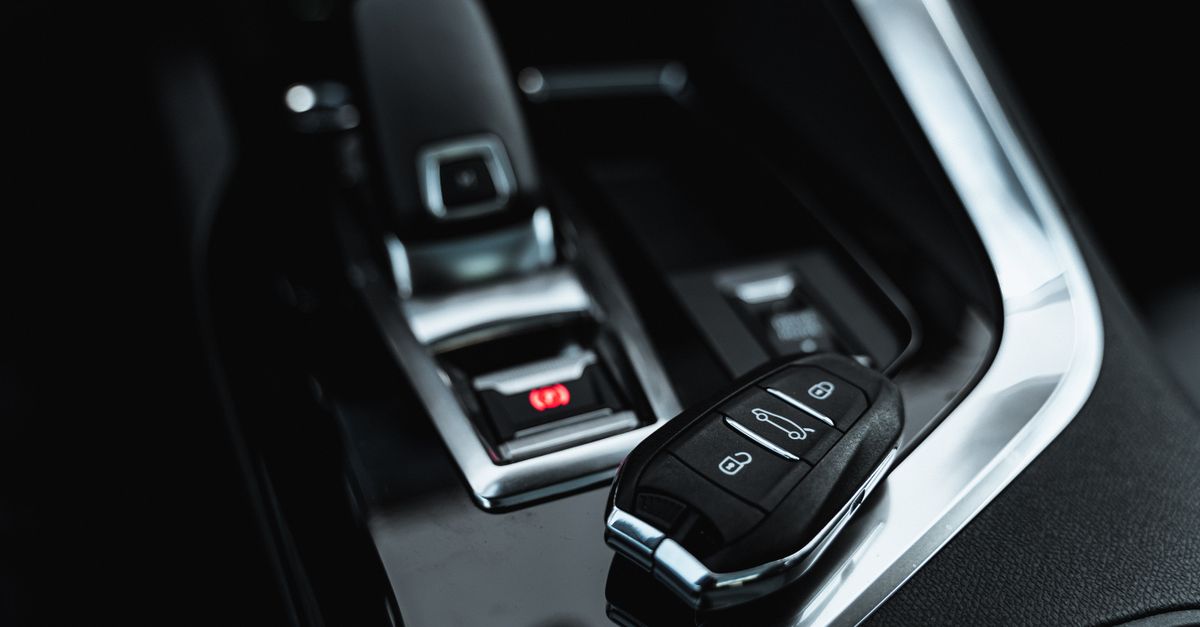
Not all replacement car keys are created equal, and the brand of your vehicle determines both the hardware and the programming method required. Ford and GM vehicles — trucks, SUVs, and sedans alike — frequently use transponder chip keys and proximity fobs that must be synchronized to the vehicle's onboard computer before they will start the engine. Toyota and Lexus models, particularly those built after 2010, rely on smart key systems with rolling security codes, requiring specialized OBD-port programming equipment. Honda and Acura keys tend to involve a cut-and-chip approach for older models, while newer ones use push-to-start proximity systems. BMW, Mercedes-Benz, and Audi use encrypted key fobs with immobilizer systems that demand manufacturer-level diagnostic protocols — our technicians carry the equipment to handle these without requiring a dealership visit. Hyundai, Kia, Nissan, and Subaru each have their own transponder families, and we stock or source the appropriate blank for each.
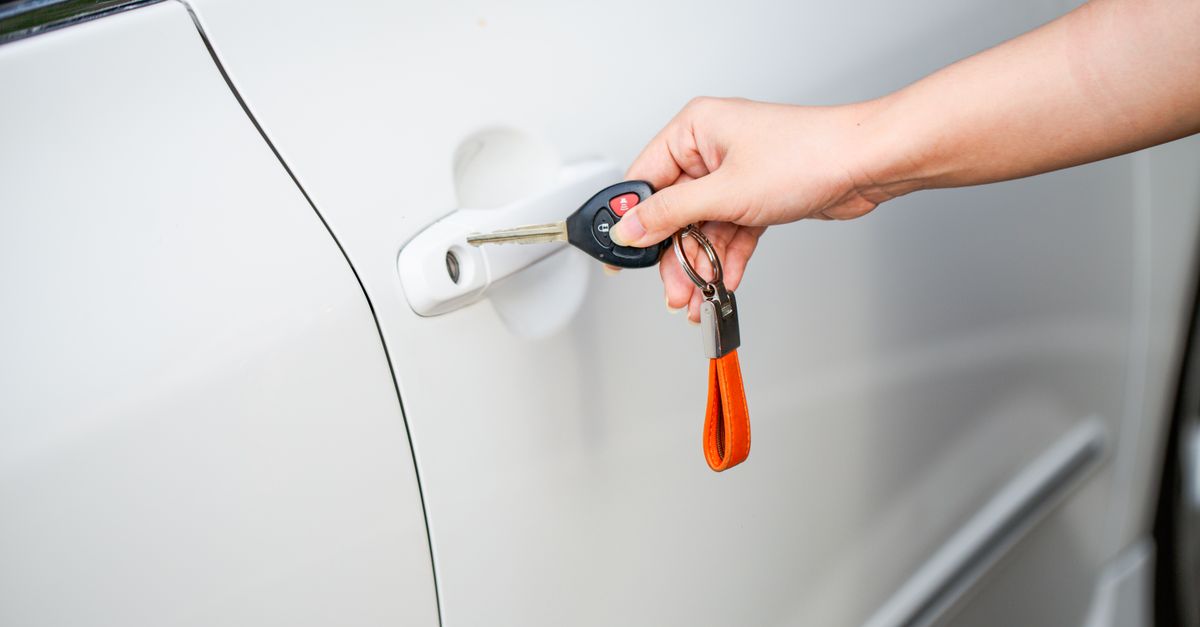
For older vehicles — roughly pre-2000 — a traditional mechanical cut is often all that is needed, which keeps the process straightforward and fast. For late-model vehicles, programming is the more time-intensive step: the technician must communicate with the vehicle's ECU to register the new key, erase stolen or lost key codes where the security system allows, and verify ignition response before leaving your side. If your key fob battery has simply died, we can diagnose that on the spot as well, so you are not paying for a full replacement when a fob service is all that is needed.