Why a Professional Deadbolt Installation Makes the Difference
A deadbolt is only as strong as its installation. A bolt that doesn't fully extend into the strike plate, a strike plate fastened with half-inch screws instead of three-inch structural screws, or a door frame with hidden rot can all turn a Grade 1 Schlage deadbolt into a weak point. Our technicians measure strike-plate depth, door-edge clearance, and backset distance before drilling a single hole. When we perform a deadbolt installation, we also inspect the door frame for signs of weakness and reinforce the strike plate with longer fasteners as a standard step — not an upsell. That attention to the full door system, not just the lock cylinder, is what separates a professional job from a DIY attempt that looks fine until the first real test.
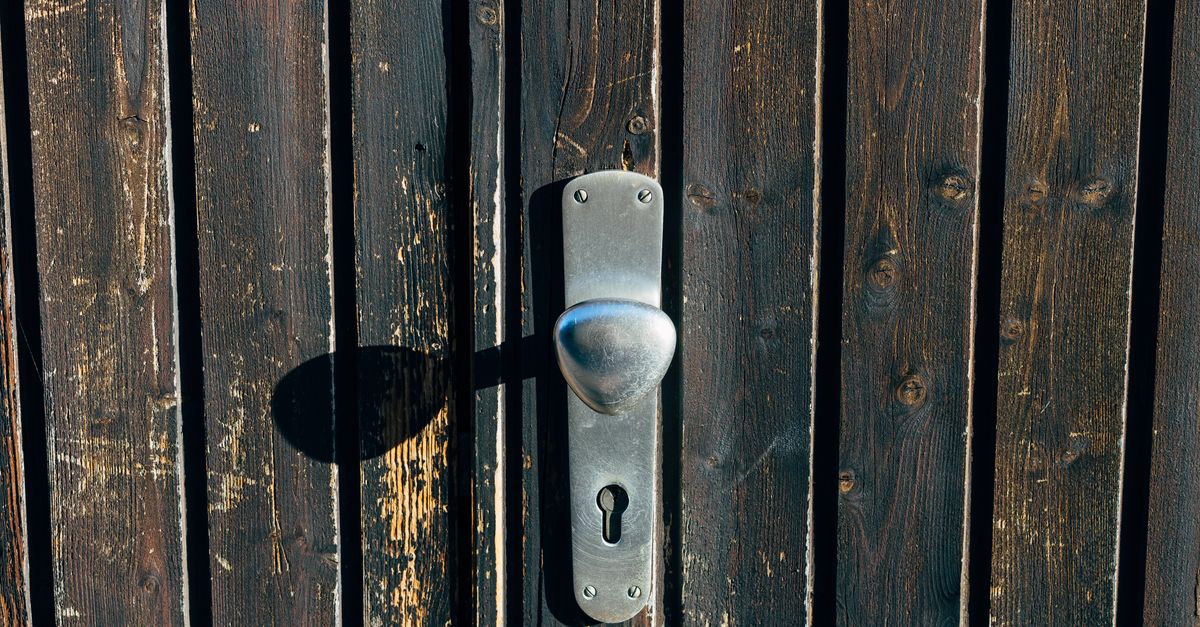
We work on all common residential and commercial door types: wood, steel, fiberglass, and hollow-core interior doors. For properties around the Rosemont Convention Center corridor where foot traffic is heavy and doors cycle constantly, we often recommend a jimmy-proof deadbolt installation — a rim-style lock whose interlocking rings physically cannot be pried apart from the outside. For traditional pre-bored doors, a standard single or double-cylinder deadbolt from manufacturers like Schlage or Kwikset gives excellent protection when installed correctly. If your door has an older mortise pocket, a mortise lock replacement or upgrade is frequently the smartest path because it uses the full thickness of the door stave for mechanical strength.