What Is a Mortise Lock and Why Does It Outperform Ordinary Locksets
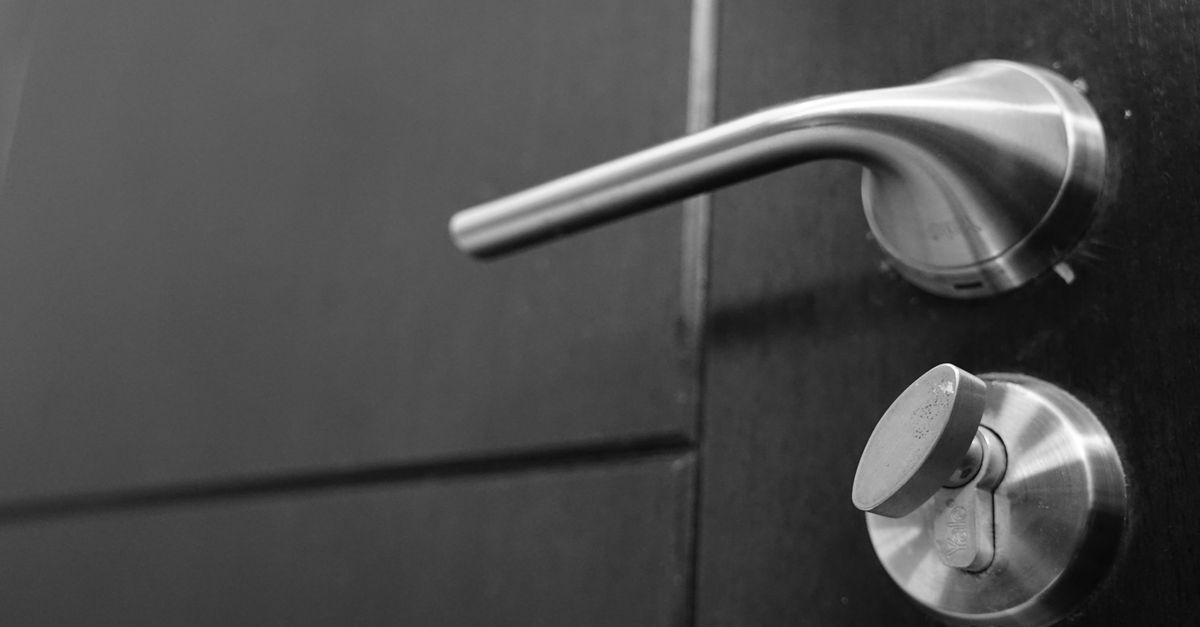
A mortise lock is a complete locking mechanism — latch bolt, dead bolt, strike, and often a cylinder on each face — housed inside a rectangular pocket, or mortise, cut directly into the door edge. Because the lock body is fully recessed, the door's structural wood or metal carries the load instead of a pair of exposed screws. When you compare a quality mortise lock set to a standard tubular knob-and-deadbolt combination, the mortise unit wins on sheer resistance: a longer, thicker bolt throw, an anti-pick cylinder housing, and a steel case that leaves an attacker almost nothing to grab from outside.
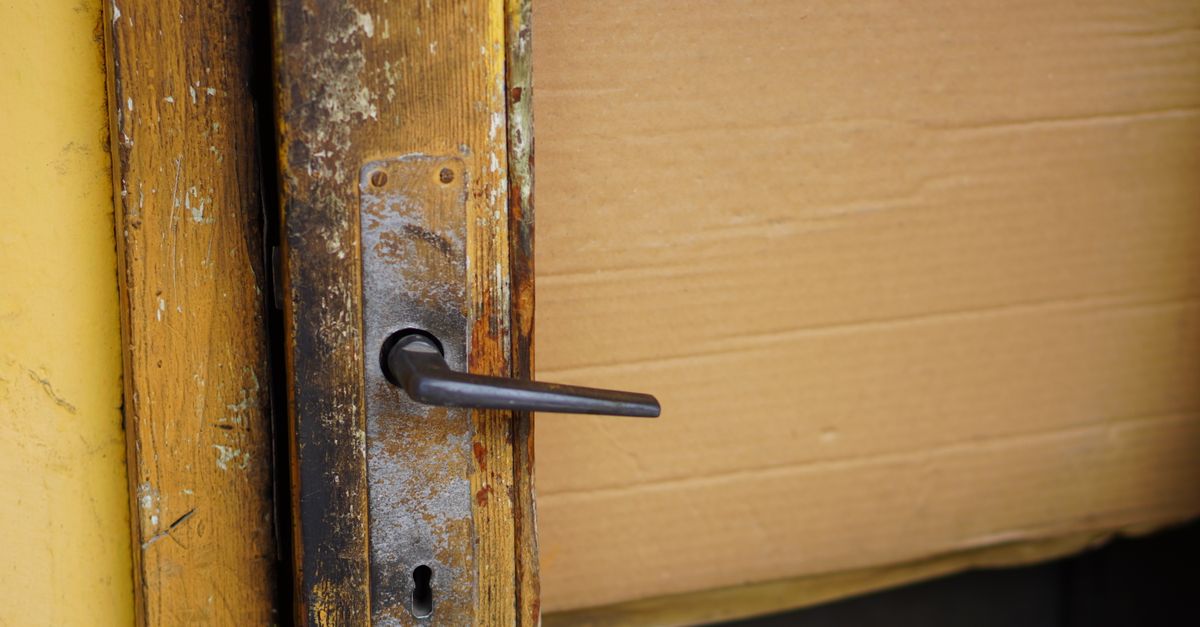
Older Rosemont homes built in the 1920s and 1930s — many of which still have their original steel-case mortise hardware — actually have a head start on modern construction in this respect. The challenge is that vintage mortise lock internals wear out: levers become loose, springs fatigue, and the mortise lock cylinder corrodes or loses its key cuts to years of copying. Our residential locksmith work frequently involves opening these doors non-destructively, sourcing period-compatible parts, and rebuilding or replacing internal components so the original hardware keeps working for another generation. When the old hardware is truly beyond saving, we source modern replacements — including options from Baldwin and Corbin Russwin — sized to the original mortise pocket so the door requires minimal re-routing.