What Home Rekeying Actually Does to Your Lock
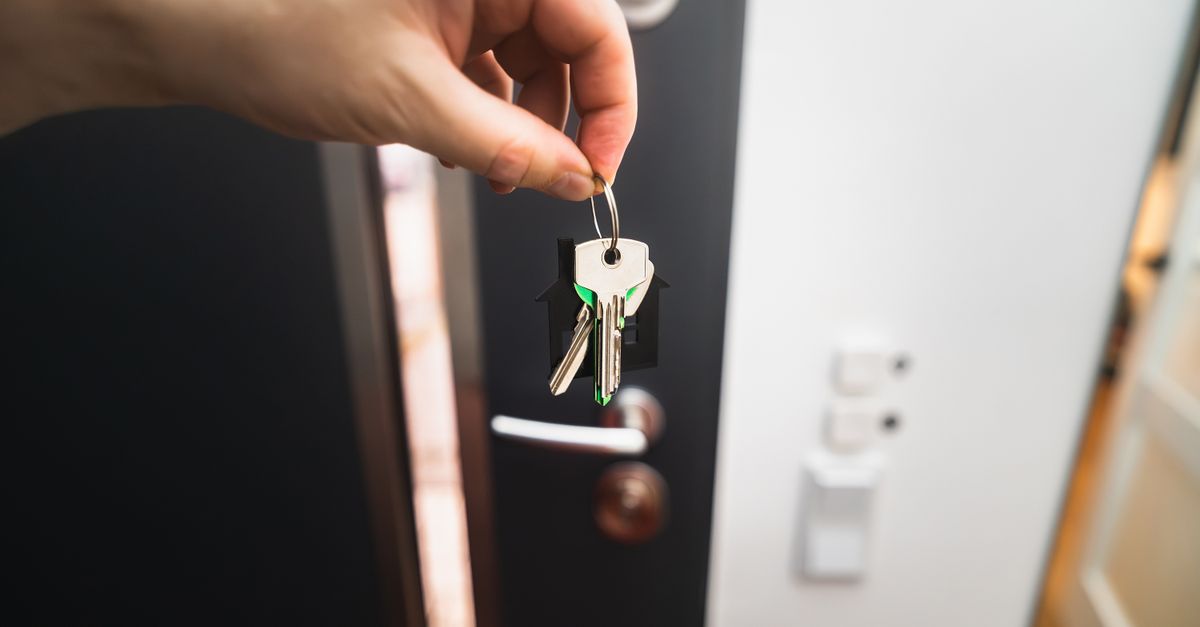
Inside every pin-tumbler lock — the mechanism behind most residential deadbolts, door knob locks, and mortise lock cylinders — sits a series of spring-loaded driver pins and key pins. The factory cuts those pins to match one specific key bitting. When our technician rekeys a lock, they disassemble the cylinder, swap out the existing key pins for a new set matched to a freshly cut key, and reassemble everything. The result: your original lock hardware stays in place, your door frame and strike plate go untouched, and every old key becomes a useless piece of metal. The process is precise, damage-free, and typically far quicker than a full lock replacement.
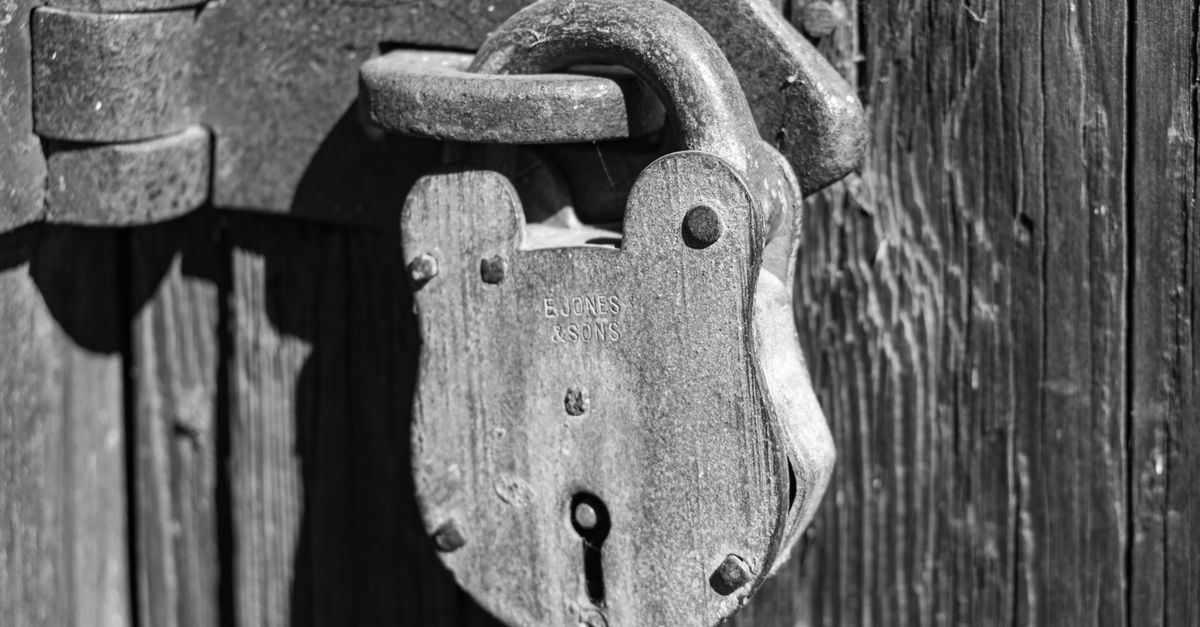
This matters enormously in practice. A mortise lock, for example, is a heavier, more complex cartridge set into a pocket machined into the door edge — common in older Chicago-area bungalows and mid-century Rosemont properties. Pulling and replacing a mortise lock body is a significant job that disturbs the door's structural integrity if done carelessly. Rekeying the mortise lock cylinder leaves the body, the trim, and the finish completely intact, which is why our experienced technicians always evaluate whether rekeying is the smarter solution before recommending a full replacement.